Marketplace Design Sprint
5-day collaborative sprint to envision a marketplace ecosystem
Ellie Mae • Design Sprint Facilitator
Background
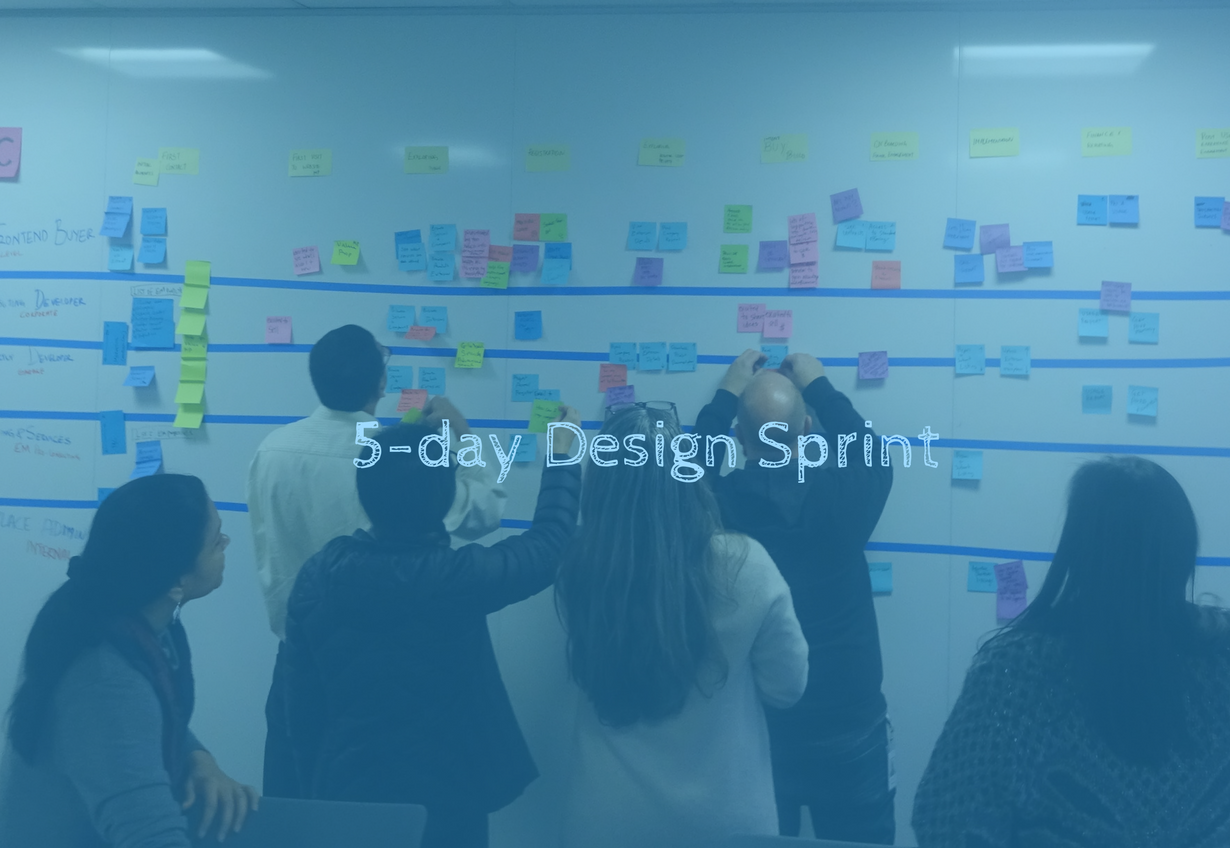
Ellie Mae was exploring the creation of a marketplace ecosystem that would connect mortgage lenders with third-party service providers, creating new revenue streams and enhancing the value proposition for customers. The challenge was ambitious: envision, design, and validate an MVP concept for this marketplace in just five days.
Traditional product development timelines wouldn't work for this strategic initiative. Leadership needed to quickly understand the opportunity space, align cross-functional stakeholders, and create something tangible to test with users—all while maintaining momentum on other priorities.
"We needed to bring together diverse perspectives—product, engineering, sales, and customer success—to create a shared vision for what this marketplace could become."
Sprint Goals
The design sprint aimed to compress months of traditional product discovery into an intensive, focused week.
Align Stakeholders
Bring together diverse perspectives to create a shared understanding of the opportunity and constraints
Define MVP Scope
Identify the minimum viable product that would deliver value to both lenders and service providers
Create Testable Prototype
Build a realistic prototype that could be validated with actual users within the sprint timeframe
De-risk Investment
Validate key assumptions before committing significant development resources
My Role
Design Sprint Facilitator & Lead Designer
- Planned and facilitated the 5-day design sprint process
- Coordinated logistics and prepared materials for each day's activities
- Guided cross-functional team through structured exercises
- Led rapid prototyping efforts on Days 3-4
- Conducted user testing sessions on Day 5
- Synthesized findings and presented recommendations to leadership
The Sprint Week
Following the Google Ventures design sprint methodology, we structured each day around specific goals and outcomes.
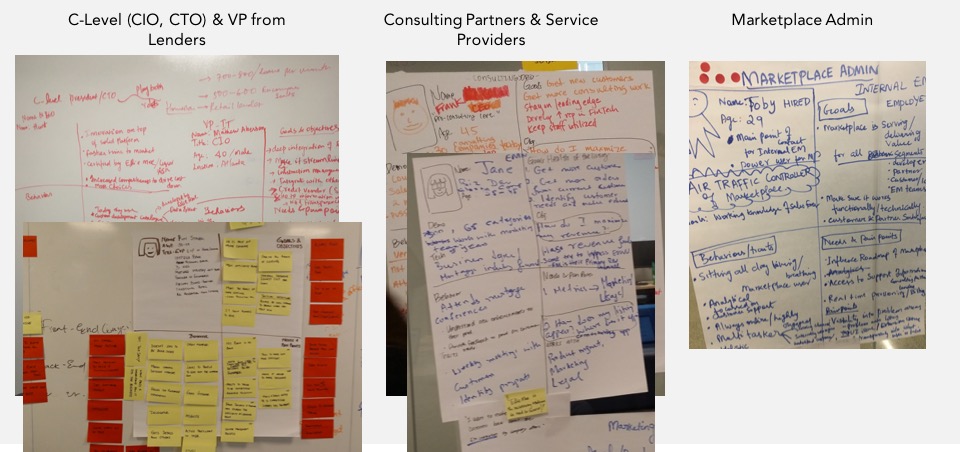
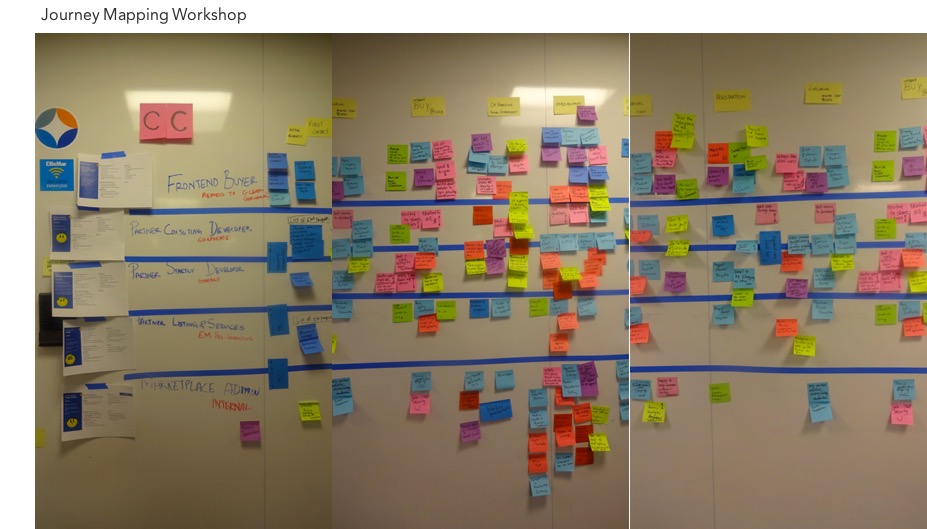
Started with expert interviews and lightning talks from stakeholders across sales, customer success, and engineering. Created a user journey map for both sides of the marketplace. Identified key questions and assumptions that needed validation. Ended the day by choosing a specific target user and moment to focus on.
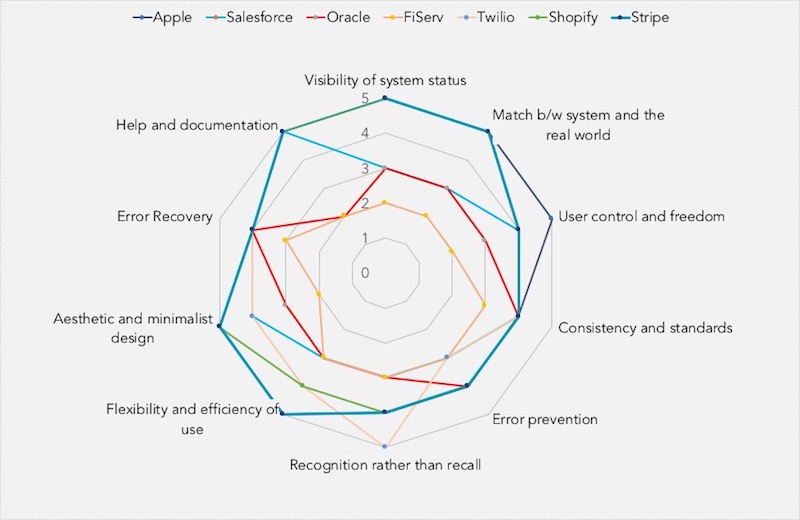
Reviewed inspiring solutions from analogous products and competitors. Each team member worked independently on solution sketches, exploring diverse approaches. Used Crazy 8s and detailed solution sketches to generate a wide range of ideas. Focused on quality over quantity in the final solution presentations.
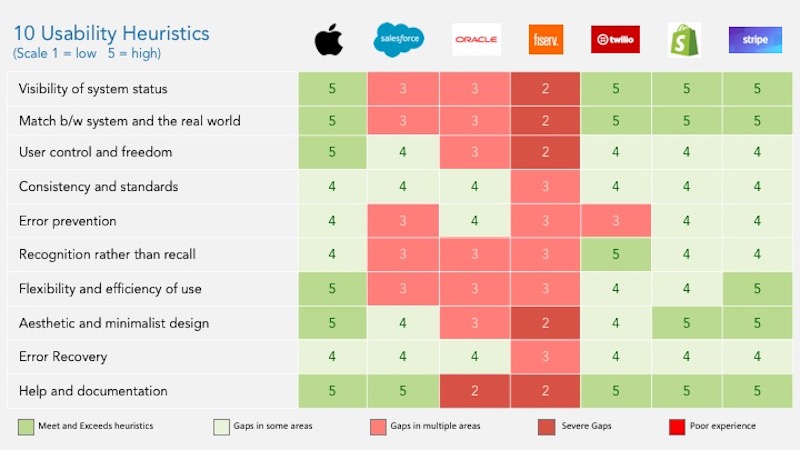
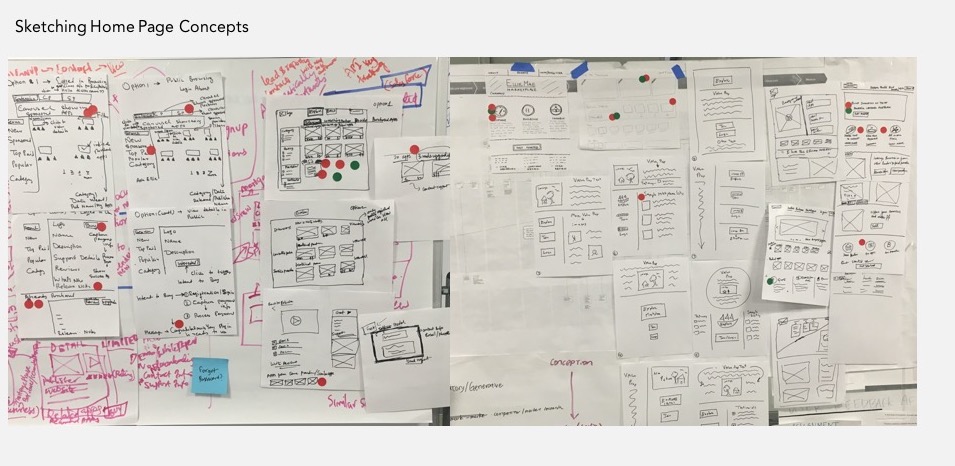
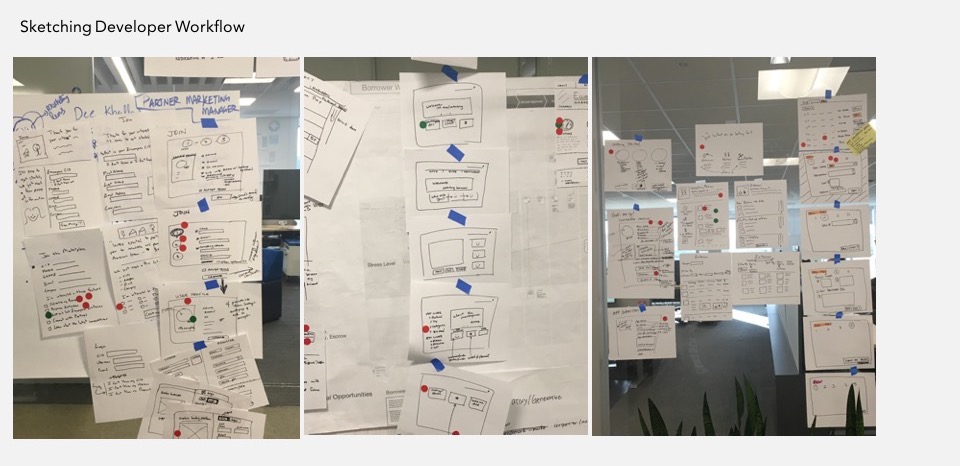
Used structured voting to evaluate and select the strongest concepts. Combined the best elements into a cohesive solution. Created a detailed storyboard showing the user experience from discovery through transaction. Made critical decisions about scope and features for the prototype.
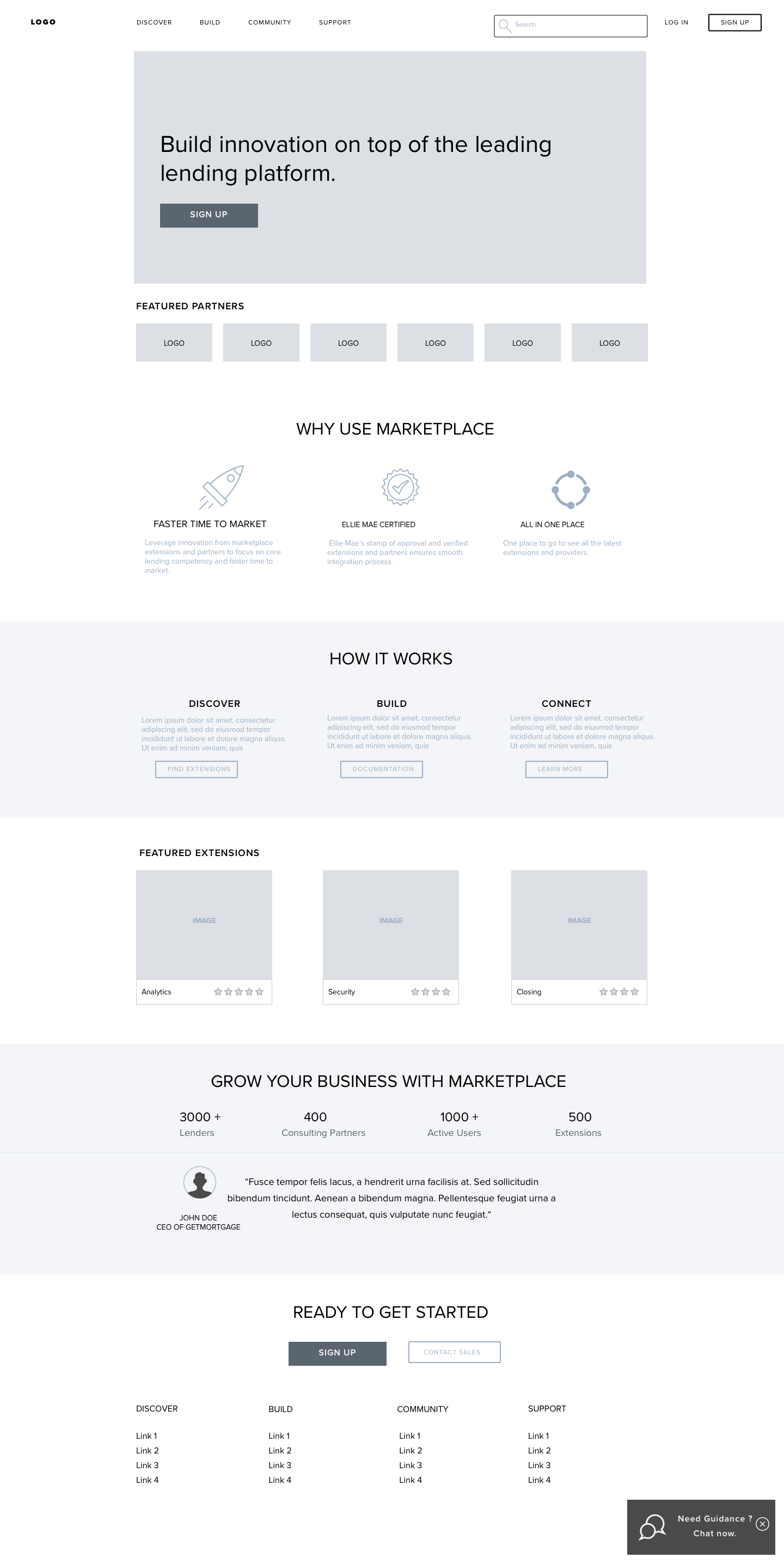
Built a realistic, clickable prototype of the marketplace experience. Divided the team into roles: makers, writers, stitchers, and interviewers. Created enough fidelity to feel real while moving fast. Prepared the interview script and testing plan for Day 5.
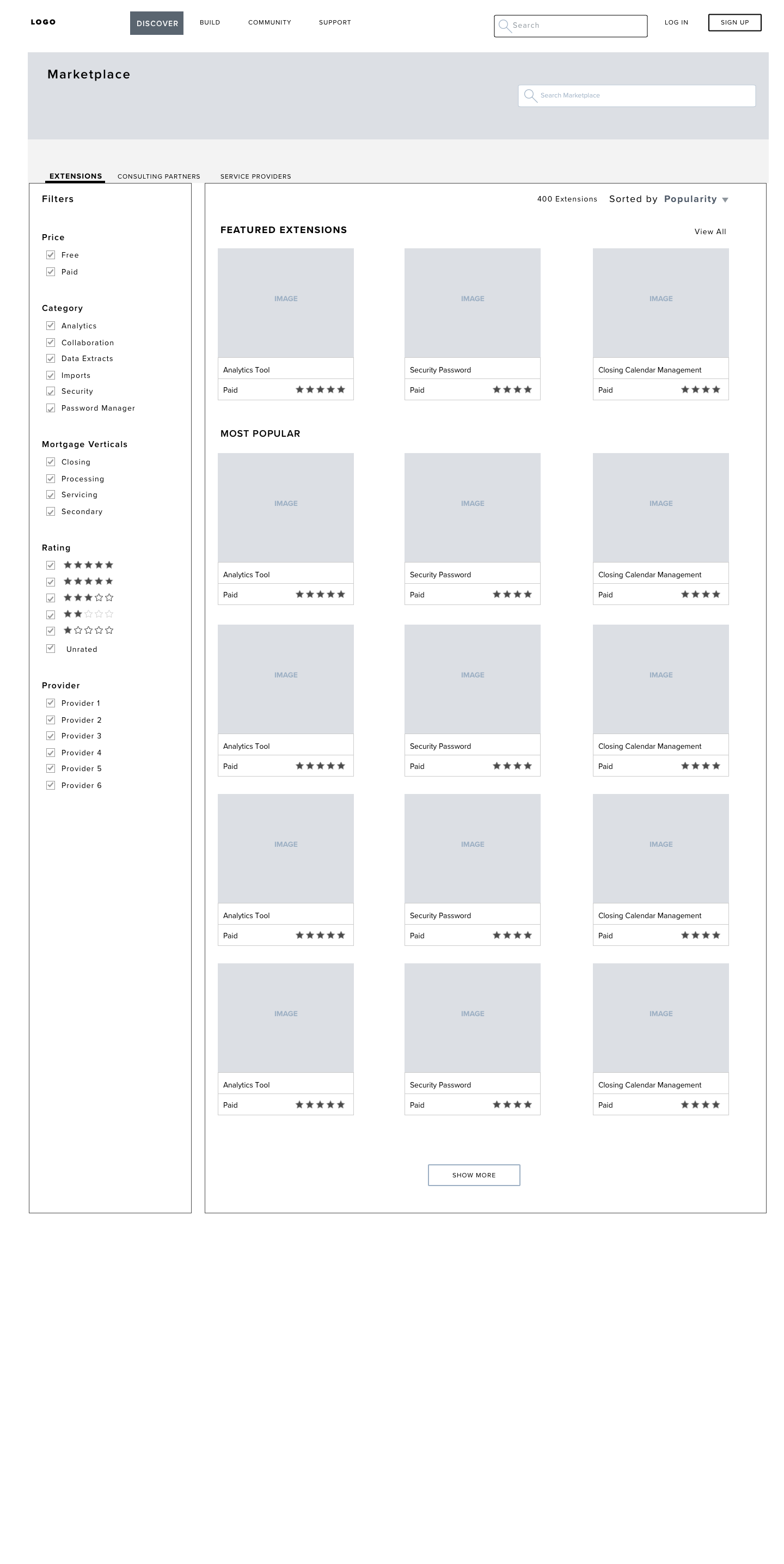
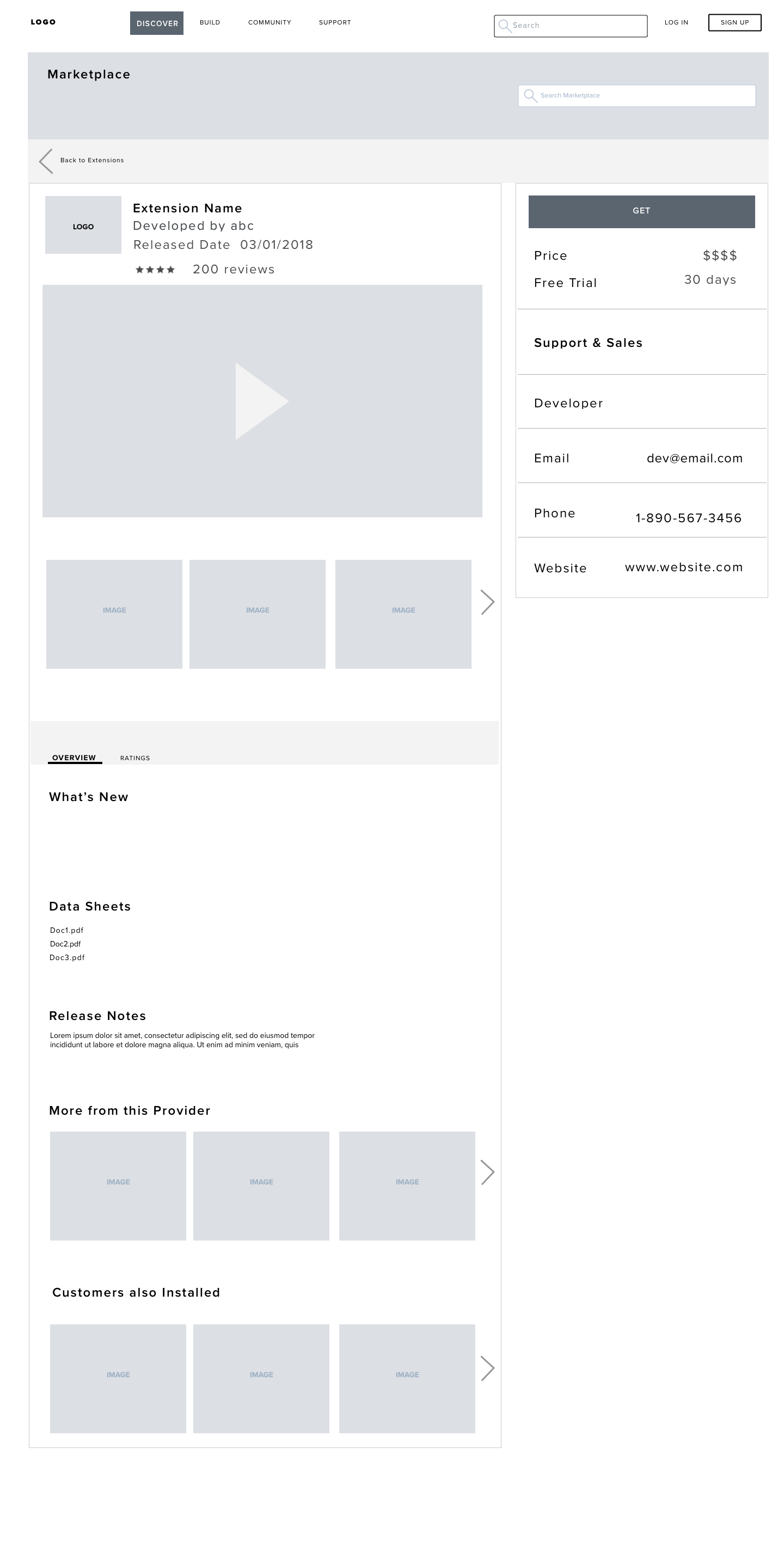
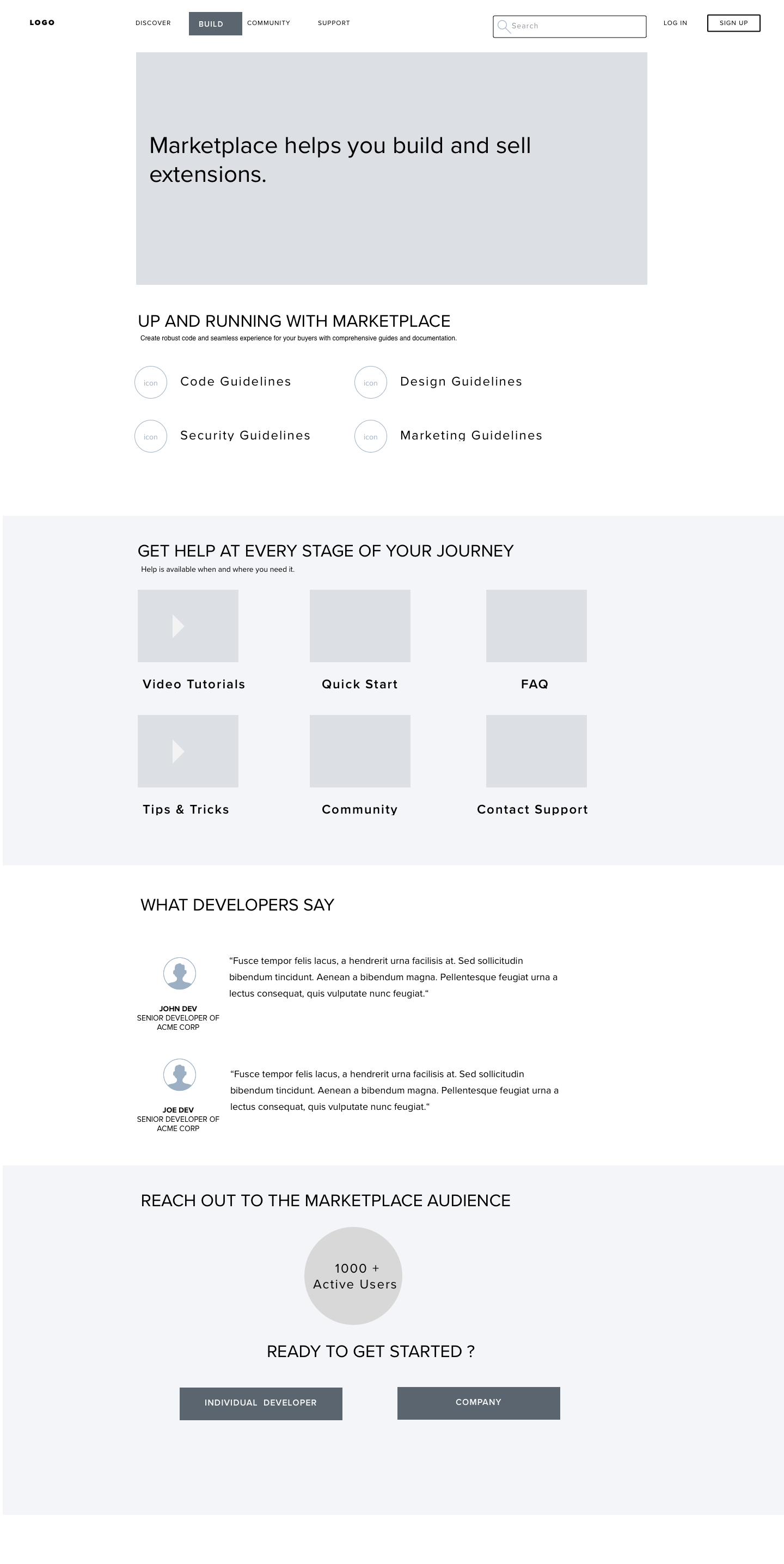
Conducted five moderated user testing sessions with mortgage professionals. Observed reactions to the marketplace concept in real-time. Identified patterns in feedback and areas of confusion. Synthesized learnings and documented clear next steps.
Outcome
The design sprint delivered significant value in a compressed timeframe, providing leadership with the insights needed to make informed decisions about the marketplace initiative.
Validated Concept
User testing confirmed strong interest in the marketplace concept with clear preferences for specific features
Aligned Stakeholders
Cross-functional team left with shared vision and understanding of the opportunity
Clear Roadmap
Identified MVP scope and prioritized feature set based on user feedback
Key Insights
Discovered unexpected user needs that influenced the product strategy
Product Launch
The Marketplace product was successfully launched and built on Salesforce in partnership with a consulting partner. The designs created during this sprint and the alignment achieved across teams significantly accelerated the development timeline and product launch, turning a strategic vision into a market-ready solution.
Key Learnings from User Testing
- Trust is Paramount: Users needed strong signals of provider quality and reliability before considering new partnerships
- Integration Matters: Seamless connection to existing workflows was more important than feature breadth
- Comparison Tools: Users wanted easy ways to compare providers on pricing, turnaround time, and reviews
- Support Expectations: Clear onboarding and ongoing support were essential for adoption
Reflections
This sprint reinforced the power of bringing diverse perspectives together in an intensive, focused format. The constraint of five days forced rapid decision-making and prevented the endless deliberation that often plagues strategic initiatives.
The most valuable outcome wasn't the prototype itself, but the shared understanding it created. By the end of the week, everyone—from engineering leads to sales directors—could articulate the same vision for what we were building and why it mattered to users.
The sprint also highlighted the importance of choosing the right challenge. We focused specifically on the service provider discovery experience, which was narrow enough to prototype realistically but significant enough to validate core marketplace assumptions.
This project demonstrated the value of design sprints for de-risking strategic initiatives and accelerating alignment across complex organizations.